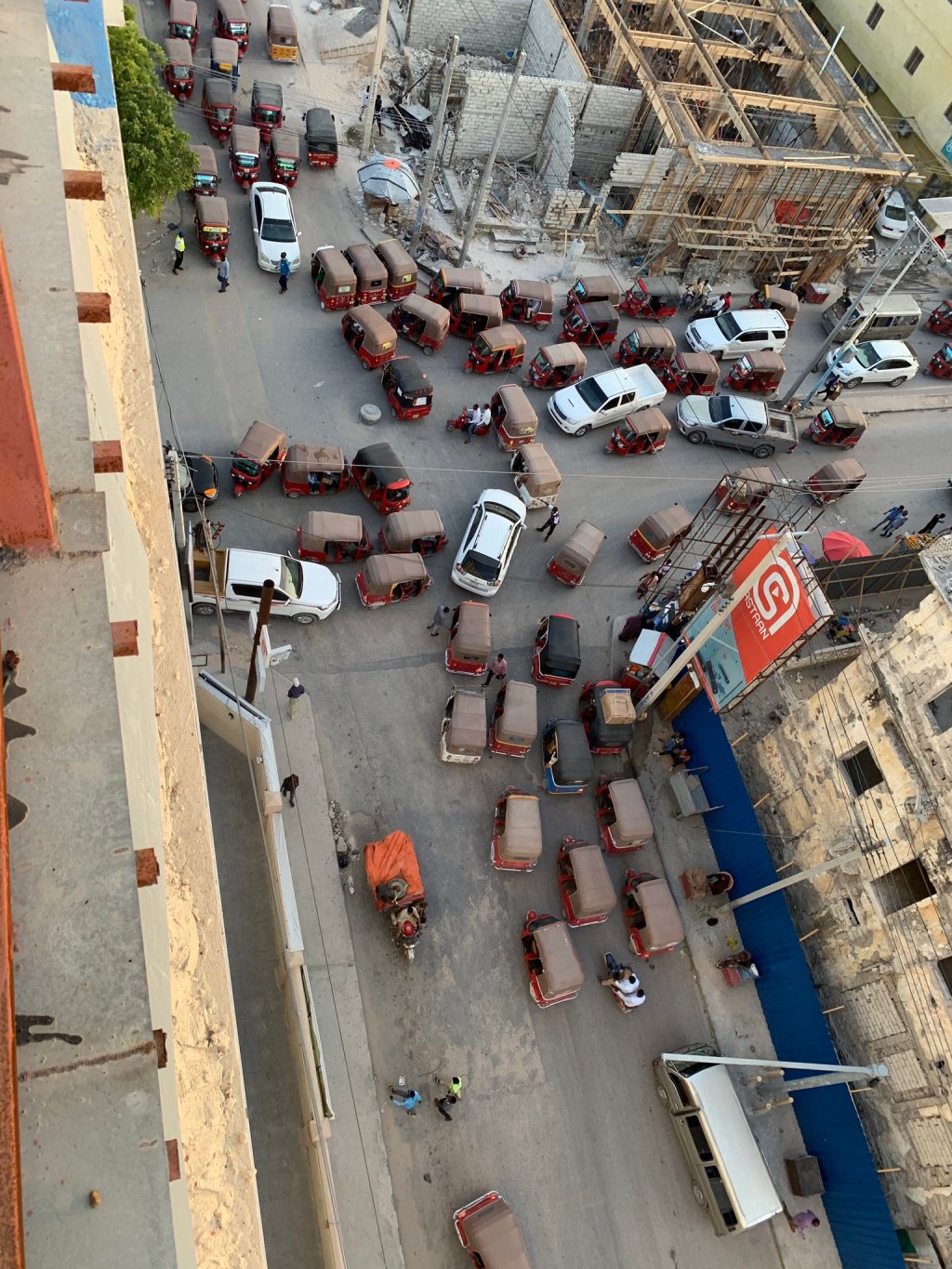
03.4.2023: Mogadishu, Somalia
This month, the Federal Government has officially banned the importation of Bajaj auto-rickshaw and motorcycles that were previously utilised by Somali workers as a mode of transportation for goods in the country.
During a cabinet meeting chaired by Prime Minister Hamza Abdi Barre, the cabinet ministers voted that the FGS keeps official records of these types of vehicles with the Banaadir Regional Administration (BRA) instructed to label all Bajaj auto-rickshaws with a special designation (A and B).
Additionally, the cabinet also instructed the Ministry of Transportation not to offer licenses to Bajaj drivers below the age of 18.
The Ministry of Transportation, BRA and the Somali Aviation authority have been tasked with the responsibility of implementing these new rules from the first of April.
The issue of Bajaj vehicles on the streets of Mogadishu has been a major concern for motorists as traffic jams and other road issues have been blamed on the excess amount of Bajaj auto-rickshaws on the roads coupled with the lack of road safety regulations in the country.
Security Concerns for Bajaj Drivers
The recent decision comes after an advisory committee presented an 18-point recommendation to resolve the current issues faced by Bajaj drivers in Mogadishu following a spate of killings by rogue police officers that force bribes from drivers. However, many have questioned how the ban on importation of Bajaj to Somalia would resolve some of the main security concerns of auto-rickshaw drivers.
The media was not given any details on the proposed recommendations put forward by the committee.
Last month saw a series of anti-police protests by victims and Bajaj drivers in the capital. The government has attempted to take a tougher stance against rogue security forces with a number of police officers sentenced to the death by a military court, facing execution via a firing squad.
Impact on Unemployment
Many Bajaj drivers in the capital are young university graduates that have been unable to find employment in the country.
Somalia is a country that is recovering from conflict and the current opportunities available are limited to a few openings in the private sector as well as international organisations. The issue for many remains nepotism and clan bias which remains an obstacle for many to obtain jobs within Somalia’s private sector.
Additionally, many of the international organisation tend to exclude Somali Nationals from the application process which has drawn large-scale criticism from Somalis.
Unfortunately, many international corporations and companies continue to avoid Somalia as an investment location in Africa due to the difficult security situation in the country.
As a result, many Somali graduates are forced to work as Bajaj drivers to earn a living.
The main question remains, if the banning of Bajaj importation will directly impact employment of young graduates, what alternative does the Federal Government have in place for these young talented minds?
For more on Somalia, follow Suldan Mohamed and HORUMAR.
 Horumar
Leave a comment