Written by Axmed Xassan, Edited by Suldan Mohamed
A decade into the civil war, Somali elites: traditional elders, politicians, business moguls and academics convened throughout the globe, backed by the international community to create a political structure to appease the mistrust amongst society by providing both political representation, and resource-sharing structure through decentralised governance. Article 54 in the transitional constitution states: “The allocation of power shall be negotiated and agreed upon by the Federal Government and Federal member states”. Two decades after the civil war, the Somali federal structure failed to disperse equal power-sharing mechanism amongst states with the central government in Mogadishu failing to abide the very constitutional framework established. This has somewhat recreated clan tensions like those witnessed in the 1980s.
Misappropriation of the Somali National Army (SNA)
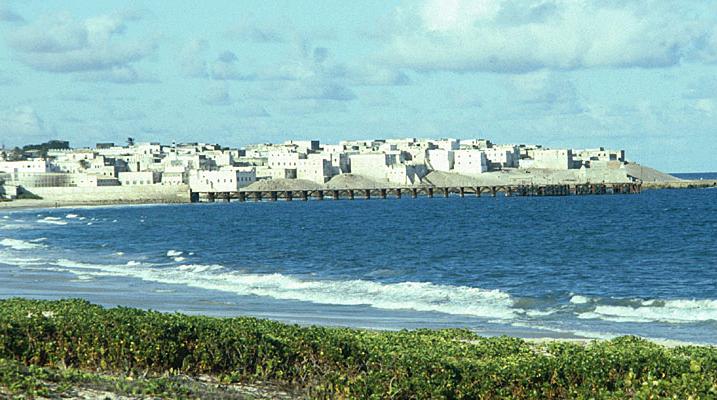
The recent battle between Southwest State of Somalia (SWS) Darawish Force and the 60th Battalion of the Somali National Army (SNA) Battalion which occurred in Baraawe on the 19th of June revealed the ill-intention of shady parties that are pushing for violence and continue prolonging the completion of the constitution and power sharing structure. Instead, politically holding the federal system hostage. By prolonging the establishment of the constitution, alleged key government figures colluding with business moguls that bankroll campaigns are ensuring their clan achieve supremacy in regions with lucrative opportunities through force. Indeed, the lower rank of the SNA has corrupt elements embedded. For instance, we have witnessed the reassignment of some SNA officers to specific battalions that represent their clan.
Regardless, the SWS state administration successfully curtailed the violence. However, the local SNA battalion led by Com. Abdirahman Elmi has been accused of being opposed to the effective establishment of SWS governance in the city. Local reports indicate that some rogue elements of the military have been illegally collecting tax via illegal roadblocks, enabling land-grabbing schemes and the lack of investigation into high profile assassinations in the city of key figures that hail from the local clan.
The amalgamation of these injustices has left many residents in the town feeling a since of abandonment and injustice from the Federal Government.
Clan-hood over Statehood
With the battle against the Khawaarij focused on only two FMS, the relationship between the central government and other regional governments is rapidly deteriorating. These failing relationships are being revealed through the aftermath of these violent outbreaks, as Federal and Regional government take opposing stances. The main objective for President Dr Hassan Sheikh Mohamud is creating a inclusive constitution and a rigid federal structure where all key-stakeholders are in sync to focus on the real battle, however, the country seems to be spiralling back to the 1980s where clan dominance is preferred, than inclusive governance to the point of returning to anarchy.
 Horumar
Leave a comment